Is Youth Work Your Next Career Move? A Fresh Path for Early Childhood Educators

April 15, 2025

Across Australia, Early Childhood Educators are at a crossroads.


As part of the 2025 Federal Budget announcements, the government has reaffirmed its commitment to supporting the early childhood education sector with targeted funding to address workforce shortages and improve quality of care. This includes $72.4 million to expand professional development and training opportunities, as well as funding to improve retention and upskill educators through nationally recognised qualifications (Australian Government Budget 2025–26). While these investments are a step in the right direction, many educators are still grappling with unsustainable workloads, emotional fatigue and a desire for more meaningful progression in their careers. Many in the industry are still asking the big question: Is this enough to stay?


For some, it’s prompting a natural shift toward Youth Work - an area where their passion and skills can be redirected for lasting impact.


Why Youth Work?

Youth Work is a dynamic, people-first career that allows you to make a lasting impact in the lives of young people navigating complex challenges. It’s purpose-driven, values-led, and built around strong relationships - something Early Childhood Educators are already experts in.

At Edmen Community Staffing Solutions, we’re seeing a growing number of early childhood professionals step into Youth Work. And it makes perfect sense.


Your skills are more transferrable than you think


If you’re an Early Childhood Educator, you already bring so much to the table:


  • Strong behaviour management and emotional regulation strategies
  • Communication skills with both children and families
  • Understanding of child development and trauma-informed practice
  • Patience, empathy, and resilience in emotionally demanding situations
  • Documentation and compliance experience in a regulated environment


These are the same core skills that make for an exceptional youth worker.


What qualifications do you need?

To work as a Youth Support Worker in most settings, you’ll typically need (or be working towards) a Certificate IV in Youth Work, Community Services, or a related field. If you’ve already completed a qualification in Early Childhood, you may be able to fast-track or RPL (Recognised Prior Learning) certain units.


Earn while you learn: Edmen’s Kickstart Program

If you're curious but unsure whether Youth Work is the right fit, our Kickstart program is designed for people just like you.

Kickstart gives you the opportunity to:


✅ Gain real, paid experience in youth residential care
✅ Access mentoring and on-the-job support
✅ Begin working while you start (or complete) your qualification
✅ Connect with a community of passionate youth workers


It’s a flexible, supported entry point into the sector- and a great way to test the waters while building your future career.


Time for a change?

If you're an Early Childhood Educator who still loves working with young people - but craves a new challenge, more meaningful impact, or a different pace - Youth Work could be the change you’ve been looking for.


At Edmen, we believe in people-powered change. Let’s help you turn your passion into a new purpose.


Ready to explore?


Check out our
open roles or learn more about Kickstart today.


Edmen Community Staffing Solutions Blog
By Vivian Yatsenko January 2, 2026
Happy New Year! We hope your holidays have been filled with sunshine, good company and well-deserved rest. While January is still very much summer here in Australia, it’s the perfect time to reflect on enjoying these long summer days safely , especially as many of our youth and disability workers head out into the community or support clients in a range of environments. Here are some essential summer safety reminders - whether you’re heading to the beach, organising outdoor activities, working in the heat or just making the most of summer fun. Stay Cool & Hydrated Warm weather makes being outdoors so inviting but high temperatures can be dangerous if we aren’t careful. Heat exhaustion and dehydration can affect anyone, but especially those working outdoors or with additional care needs. Tips to stay cool and healthy: Drink plenty of water throughout the day - don’t wait until you’re thirsty! Take regular breaks in the shade or indoors, especially between 11 am – 3 pm when temperatures peak. Wear light, loose-fitting clothing and a hat to help your body regulate heat. Use fans or air-conditioning if available or seek cool public spaces like libraries or community centres. Water Safety Matters Many Australians use summer to swim, fish, paddle or enjoy rivers and the beach - and while water brings joy, it also brings risk. \Water safety tips: Always swim between the flags at patrolled beaches and obey warnings. Never swim alone. Make sure someone else knows where you are. Avoid alcohol near water - it can impair judgement and reaction times. Know basic water rescue principles and CPR - it could save a life. Whether you’re supervising clients or spending time with family and friends, keeping a close eye on water safety is key to a fun and incident-free summer. Protect Your Skin Australia’s UV levels are among the highest in the world - and you don’t need to be at the beach to get sun damage. Sun protection essentials: Use SPF50+ broad-spectrum sunscreen and reapply every two hours. Slip on protective clothing, Slop on sunscreen, Slap on a hat, Seek shade, and Slide on sunglasses - the SunSmart 5 S’s. Keep sunscreen and shade/umbrellas handy when out in the community or at outdoor events. This helps protect everyone’s skin but it’s especially important for people with disability or those who may be more vulnerable to heat and UV effects. Plan Ahead & Look Out for Each Other Summer isn’t just sunshine and surf - it can bring heatwaves and intense weather. Preparing ahead can make all the difference: Check weather forecasts before scheduling outdoor work or activities. Build regular check-ins into your day - especially for clients who live alone or are at risk of heat-related illness. Make sure everyone has access to water, shade and a plan for cooling down if it gets too hot. Looking out for one another is something that connects deeply with our work in youth and disability support and there’s no better time to practise it than during summer’s hottest weeks. Have Fun - Just Be Safe! We want you and your networks to make the most of these long, bright days ahead. Whether it’s community events, outings with clients or teaching new skills under the sun, enjoying summer responsibly keeps everyone happier and healthier. Wishing you all a safe, fun and fulfilling start to 2026!
By Vivian Yatsenko December 18, 2025
Discover how youth workers can help children in out-of-home care navigate Christmas with empathy, empowering activities, family support and festive planning.
By Vivian Yatsenko December 11, 2025
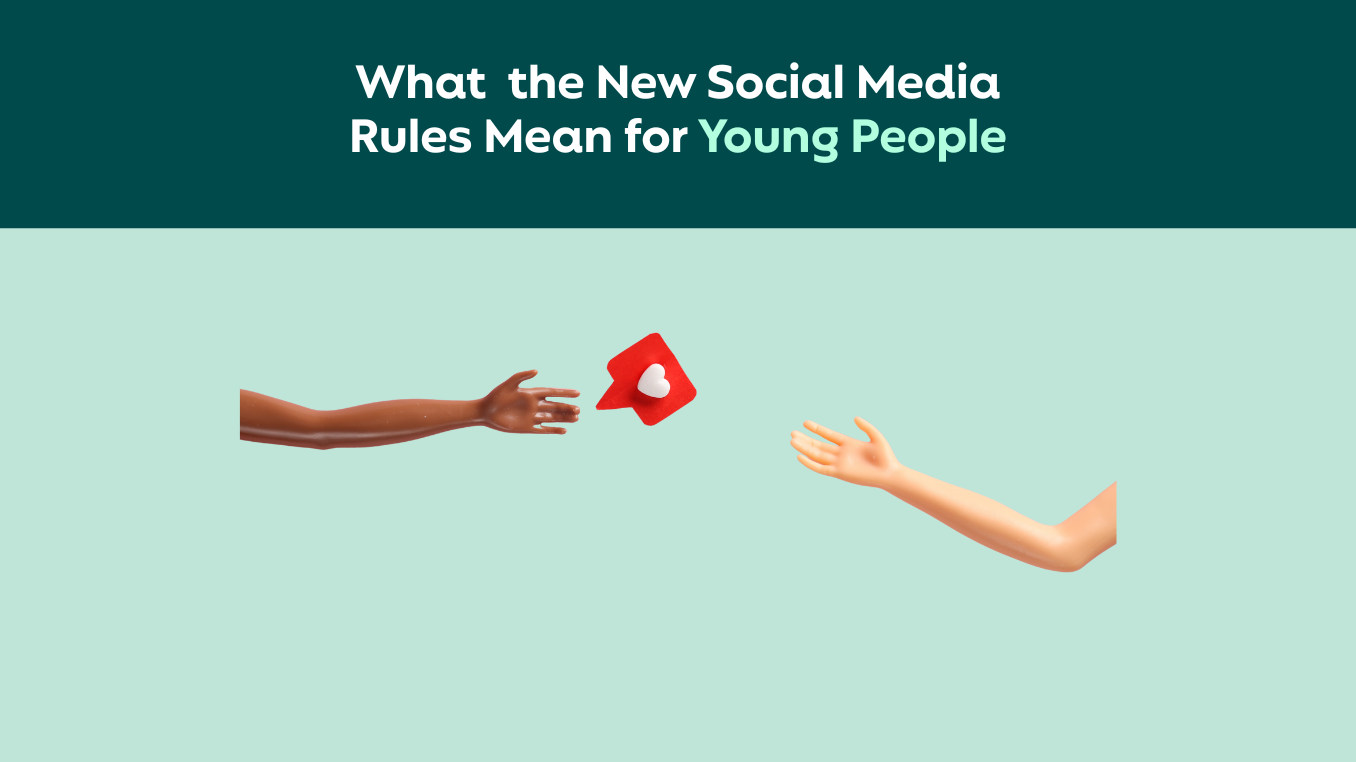
What the New Social Media Rules Mean for Young People And How We Can Support Them Australia has introduced a new law that means children and young people under 16 can’t have social media accounts on big platforms like Instagram, Facebook, TikTok, YouTube, Snapchat, X and others. From 10 December 2025, these platforms must take steps to stop under-16s from having accounts or face big fines. The idea is to protect young people from some of the risks that can happen online, like cyberbullying, harmful content and addictive use. But this big change can also affect the wellbeing and social lives of the young people we work with. It’s important we understand what it means and how we can support them. What's Changing? ✔ Under-16s won’t be able to have accounts on many major social media apps. ✔ Platforms must try to check users’ ages and remove or block under-16 accounts. ✔ Young people can still view some public content without an account, but can’t post, comment or use the apps as before. ✔ There are no fines or legal penalties for young people or their families. The law is about the platforms doing the work. What Young People Might Feel This is a big shift, and many young people will feel frustrated, upset or anxious about it. Social media is how a lot of teens connect with their friends, communities, interests and support networks - especially for groups who might already feel isolated, such as rural youth or LGBTIQA+ young people. Some young people may: Feel cut off from friends or peer groups Be angry or in denial about the changes Try to find workarounds to stay connected Be confused about what the rules actually mean It’s normal for them to have strong feelings about this. What This Means for the Young People We Support As youth and disability workers, we might see: 📌 Changes in how young people communicate with each other 📌 Feelings of loss, loneliness or worry about missing out 📌 Increased pressure to stay connected in other ways 📌 Confusion about what they can and cannot do online Some young people will cope well, others might struggle more without their usual online spaces. What We Can Do to Help Here are some simple and practical ways we can support young people during this time: 1. Talk and Listen Give them space to talk about how they feel about the changes. Let them know their feelings are valid - this is a big shift in their world. 2. Help Them Understand the Rules Clarify that the change affects accounts, not the person. They don’t get into trouble for accessing content without an account, but they won’t be able to interact in the same way. Reinforce that there are no legal penalties for them or their families 3. Support Alternatives Help young people find other ways to connect and build positive socialisation, like: Face-to-face meetups Group activities (sport, clubs, classes) Extra support programs or services Safe online spaces that aren’t blocked (Messenger, WhatsApp- Check eSafety Site FAQs to discover more) 4. Watch for Emotional Impacts Some young people may feel sad, anxious, isolated or angry . Pay attention to these feelings and: Offer emotional support Encourage healthy routines (sleep, exercise, offline hobbies) Connect them with mental health support if needed 5. Reinforce Online Safety Use this time as an opportunity to help young people with practical tools and trusted online safety information. A great resource to share with them is the eSafety Commissioner’s “Young People” page: 🔗 eSafety – Young People - https://www.esafety.gov.au/young-people This page has useful information to help stay safe online, including topics young people care about like online behaviour, respectful communication, cyberbullying, privacy, and how to get help if something goes wrong online. You can encourage them to explore this page on their own or use it as a discussion tool when talking about online life — even without social media access. In Summary This new social media change is big news both nationally and for the young people in our communities. While the law is meant to protect young people, it may also bring big feelings and challenges that we need to support. The most important things we can do are: ❤️ Listen openly ❤️ Explain clearly ❤️ Help them find connection and support in safe ways Together, we can help the young people we work with feel heard, understood and supported through this time of change.
By Vivian Yatsenko December 2, 2025
Right now, the Australian Government is asking the community to share ideas about how to make Individual Disability Advocacy better. Advocacy means having someone who can help you speak up, understand your rights, and get the support you need.
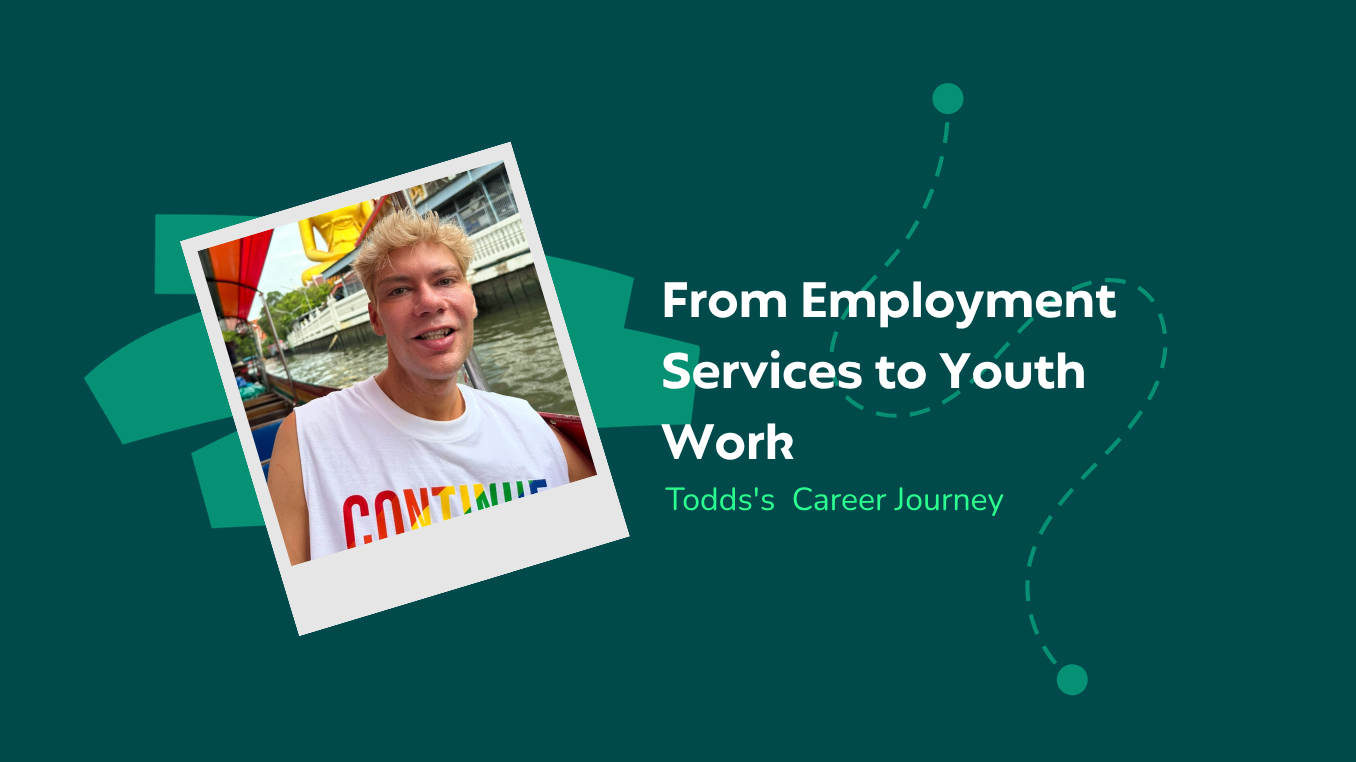
From Warehousing to Youth Work
By Vivian Yatsenko September 29, 2025
Discover Ryschard's inspiring journey as a dedicated Residential Youth Worker with Edmen. A proud mum and wife, her nurturing spirit and passion for supporting young people create a lasting impact.
A photo of Support & Supervision Coordinator, Emma Paintr.
By Emma Painter July 29, 2025
Support and supervision aren’t just add-ons in youth work - they’re essential. Emma Painter, Edmen’s Support & Supervision Coordinator, shares why regular supervision matters, what it really looks like, and her top tips to help Youth Workers get the most out of every session.
By Lee Robinson June 11, 2025
By Lee Robinson, Edmen Recruiter & former Youth Worker Before I joined Edmen as a recruiter, I spent years as a Youth Worker. It was tough, rewarding and raw. I met a lot of young people who had already lived through more than most adults. But something that came up time and time again - especially with the young boys - was this warped idea of what it means to be a man. In Australia’s residential care homes, many young people are healing from experiences of violence, neglect and trauma. Among the complex factors shaping their world, one dangerous undercurrent continues to surface: toxic masculinity. This isn't just a buzzword. It's a destructive set of beliefs that normalises control, aggression, emotional suppression and dominance - particularly in how young men are taught to see themselves and others. Youth workers, especially male-identifying workers, are in a powerful position to break that cycle. The stats tell a story According to the 2024 Queensland Children in Care Census, over 12,500 children are currently in government care, with more than 2,200 in residential care - a figure that has nearly tripled since 2015. Alarmingly, the census revealed that: 11% of children in out-of-home care experienced sexual abuse 46% experienced physical abuse 88% experienced neglect These are young people who’ve had their trust broken over and over again. They’ve seen what happens when power gets used the wrong way - especially by men. And then they meet us. Youth Workers. What we say and do matters. Especially if you’re a bloke like me. Netflix's "Adolescence" and the digital influence dilemma The recent Netflix documentary series Adolescence holds a mirror up to the lives of young boys around the world and how their development is being shaped by social media, misogyny and a hunger for belonging. One recurring theme? The rise of online influencers like Andrew Tate, whose brand of hyper-masculinity glorifies aggression, control over women, and emotional detachment- presented as a blueprint for "success" and "alpha status." His videos have been viewed billions of times, often on platforms young people frequent daily. In residential care, where many young people are already struggling with identity, trauma, and belonging, the appeal of figures like Tate is real - and deeply concerning. That's why the presence of healthy, grounded, emotionally intelligent male role models has never been more critical. How Youth Workers can disrupt the cycle One thing I want others thinking about this work to know: you don’t need to have it all figured out. I certainly didn’t. But being there, being honest and being respectful - that’s what matters most. Here's how youth workers can challenge toxic masculinity and help young people - regardless of gender - redefine what it means to be strong, safe and respected: 1. Show that vulnerability is strength Toxic masculinity teaches young people that crying is weak or that talking about feelings is "soft." Youth workers who show up authentically- who admit when they're tired, frustrated, or emotional-plant the seed that all feelings are valid. "You don't have to 'man up' here. You just have to show up." 2. Model respectful relationships Many young people in care have never seen a respectful relationship- especially between men and women, or among men themselves. Youth workers who communicate calmly, resolve conflict without aggression and treat others with dignity model an entirely new way to relate. 3. Call it out - Gently and consistently When a young person repeats something rooted in misogyny, homophobia, or outdated gender roles, it's a chance to reflect, not shame. "Where did you learn that?" "How do you think that makes someone feel?" "What do we want to stand for in this house?" These small course-corrections create long-term change. 4. Proactively talk about respect, relationships and consent We can’t assume young people “just know” how to behave in a healthy relationship -especially if they’ve never seen one. That’s why we need to have the conversations before the crisis happens. Talk openly about respect, personal boundaries, consent, and emotional safety in relationships. As a former Youth Worker and someone who’s worked with The Rite Journey - a school-based program that supports teenagers in their shift into adulthood - I’ve seen firsthand how structured, honest dialogue can empower young people to be more self-aware, respectful and resilient. When we give them the language and tools, they’re better equipped to navigate real-world situations with confidence and care. 5. Be there, every day For some young people in residential care, their youth workers are the first safe and reliable adult male role models they've known. Just being present - calmly, consistently and respectfully - is a powerful form of healing. Looking ahead As Adolescence highlights, young people today are bombarded with toxic messages about identity and gender - often before they're old enough to understand the consequences. In combination with histories of abuse or neglect, this makes them vulnerable to adopting harmful beliefs that can affect their futures, relationships and wellbeing. But in every shift, every conversation, and every moment of connection, youth workers have the power to offer something radically different. One where strength means respect. Power means kindness. And being human means being real. So, if you’re thinking about becoming a Youth Worker - especially if you’re male - just know this: you’re needed. More than ever. And if you’re already doing this work- thank you. Keep showing up. Keep doing the quiet, powerful work of being the kind of man these young people can look up to, not fear. Sources: Queensland Children in Care Census 2024 Netflix Documentary Series: Adolescence (2024) News articles on Queensland's child safety system
By Nikkia Gillies February 24, 2025
What is PACE? PACE is more than just a framework; it’s a way of thinking, feeling, and interacting. It helps young people feel safe, understood, and supported. By integrating playfulness, acceptance, curiosity, and empathy into our interactions, we can build stronger, more meaningful connections that encourage trust and emotional growth. Playfulness: Keeping Things Light Laughter and joy play a critical role in building relationships. Approaching situations with a playful attitude —using lighthearted tones, storytelling, or humor—can diffuse tension and make difficult conversations feel safer. It’s not about making light of serious issues, but rather creating an environment where young people feel comfortable expressing themselves without fear of judgment. Example: A young person refuses to participate in an activity. Instead of pushing, a playful approach might be, “Alright, but I bet you can’t beat me at rock-paper-scissors first!” This simple moment of fun can shift the energy and open the door for engagement. Acceptance: Meeting Them Where They Are Acceptance means acknowledging a young person’s thoughts, feelings, and experiences without judgment. It doesn’t mean condoning harmful behaviours, but rather validating their emotions so they feel heard and understood. Example: If a young person is angry because of a house rule, rather than dismissing their feelings, you could say, “I can see that you’re really frustrated about this rule. It’s okay to feel that way. Let’s talk about why it’s in place and how we can work through it together.” Curiosity: Understanding the 'Why' Instead of reacting with frustration when a young person behaves in a challenging way, approach the situation with curiosity. This means genuinely seeking to understand why they’re acting a certain way, without assumption or blame. Example: If a young person lashes out, instead of saying, “Why would you do that?” in an accusatory tone, a curious response could be, “I wonder what’s making you feel this way right now?” This encourages reflection and fosters open dialogue.  Empathy: Walking Alongside Them Empathy is about being present and feeling with the young person. It’s letting them know that they’re not alone in their struggles and that their emotions matter. Example: When a young person is upset, rather than just saying, “You’ll be fine,” try, “I can see that you’re really upset. That must be really hard for you. I’m here to help you through it.” PACE in Practice Incorporating PACE into youth work takes practice. It requires slowing down, tuning in, and being mindful of your own emotions. You won’t always get it right, and that’s okay. What matters is the effort to create a safe, supportive space for young people to grow and heal. At Edmen, we encourage all our youth workers to adopt the PACE approach. By doing so, we’re not just providing care—we’re fostering trust, connection, and positive change in the lives of young people. When PACE Doesn't Work It’s important to note that when a young person is in fight, flight, or freeze mode, the PACE model won’t be effective in that moment. When they are in a heightened state of stress, they are no longer thinking rationally—they are trying to protect themselves. In these situations, it’s crucial to focus on de-escalation techniques to help them feel safe again before attempting to re-engage with PACE. This might include giving them space, using grounding techniques, or simply being a calm and reassuring presence until they are ready to reconnect. Interested in learning more about PACE? For more information, visit Dr Hughes' website - DDP Network
By Cassandra Burriel February 16, 2025
A case of speed and personalised care Sam*, a Youth Worker at Edmen, experienced a significant injury at work. Given the severity of the injury, Cassandra Burriel, from PeopleIN’s Recover at Work team, acted quickly to ensure Sam was receiving the immediate and appropriate medical and emotional support. “Given the psychological toll such incidents can take, we arranged early intervention counselling through our Employee Assistance Programme (EAP) to ensure Sam had the resources he needed within 24 hours. We recognised Sam's strong desire to return to work, but we also understood the importance of a gradual and supported reintegration. Initially, we kept him engaged with remote work, offering office-based duties or administrative tasks until he was medically cleared to resume his usual responsibilities.” This approach allowed Sam to stay connected to work while supporting both his physical recovery and emotional well-being. Thanks to the customised support from PeopleIN and Edmen, Sam made a smooth transition back to work without setbacks. How the PeopleIN Recover at Work Program Works PeopleIN's Recover at Work program focuses on 3 key principles: early intervention, tailored support, and gradual reintegration into the workplace. Here’s how it works: 1.Early Intervention Once an injury occurs and is reported, the Recover at Work team takes immediate action, coordinating medical appointments and providing psychological support. Cassandra emphasises that early intervention helps prevent the emotional toll from escalating, ensuring that the employee is well-supported from the moment the injury occurs. "The most important thing we do is provide psychological and physical support," she explains. "Even after a minor incident, we encourage workers to access the Employee Assistance Program (EAP) to ensure they have the mental health support they need, as everyone reacts to stress differently." 2. Tailored Support & Return-to-Work Plans After an injury, the Recover at Work team collaborates with the employee, medical professionals, and the host client to develop a tailored return-to-work plan. This plan may involve modified duties or a gradual increase in hours, focusing on the individual’s specific recovery needs. PeopleIN’s large network of resources, including GP services and physiotherapy consultations, plays a crucial role in speeding up recovery. Cassandra notes, "We understand the challenges our workers face, especially with treatment access. Our network allows workers to get the care they need immediately, speeding up the recovery process." 3. Reintegration into the workplace  The team works closely with Edmen’s host clients to ensure suitable duties are available for injured workers. This might involve light duties, office-based tasks, or, if necessary, remote work. Engaging employees during their recovery is essential in preventing feelings of isolation and maintaining their sense of purpose. “We always check with the client to see if they can provide suitable on-site duties. If on-site work isn’t an option, we explore office-based duties—either at the client's office or, if they’re local to us, at one of the PeopleIN offices.” explains Cassandra. Benefits of the PeopleIN Recover at Work Program for Edmen’s clients The Recover at Work program offers clear benefits for Edmen’s community service clients: Maintain a consistent workforce : Keeps employees engaged and connected, reducing disconnection and improving the transition back to work. Improved return to work timeframes : With a 90% RTW rate and employees returning 2 weeks sooner than the industry average, clients experience quicker workforce recovery. Reduce exposure to common law : Minimises legal risks by ensuring compliance and managing the return-to-work process effectively. Increased productivity and retention : Enhances workforce stability by reducing absenteeism, boosting productivity, and increasing employee satisfaction and retention. For Edmen, this means a safer, smoother return-to-work process and stronger relationships with both employees and clients. To learn more about PeopleIN’s diversified workforce solutions, contact us today.
A woman is sitting on the floor using a cell phone.
By Nikkia Gillies November 25, 2024
For children and young people in out-of-home care, Christmas can be a particularly challenging time. It’s often a season that highlights their separation from family, triggering feelings of anxiety and uncertainty. Questions like Will I see my family? Does Santa know where I live? Will I get presents? may weigh heavily on their minds. Even if their family environment wasn’t ideal, many may still hold onto cherished Christmas memories—gatherings, gift exchanges, and moments of joy. As Youth Workers, it’s important to help young people navigate this time of year with sensitivity and support. Here’s how. 1. Listen to Their Needs Understanding their feelings and expectations is key. Take the time to ask:  What are your favourite Christmas memories with your family? What would you like Christmas to look like this year? Is there anyone special you’d like to see? What activities should we plan together? How does Christmas make you feel? 2. Communicate and Advocate Support family connections where possible. If safe and appropriate, advocate for the young person to spend time with their family during Christmas. Involve the house. Plan together—what meals to cook, decorations to use, or even whether to invite other houses or leadership to join in. Be prepared. Share plans clearly with the young person and ensure everything is organised ahead of time. 3. Create New Traditions Share your own traditions and see if they’d like to incorporate them, like a special recipe or a game you love. Make the day special with thoughtful effort, creating moments they’ll remember. Encourage the spirit of giving. Help them make or select gifts for family members or siblings. 4. What to Avoid Avoid ignoring Christmas altogether. Not talking about it can heighten feelings of exclusion or confusion. Don’t exclude them from decisions. It’s their Christmas—give them a say in the planning. Don’t force family visits if they aren’t comfortable. Steer clear of rushed plans. Last-minute preparation or minimal effort can make the day feel less special. Choose gifts thoughtfully. Avoid impersonal options like gift cards unless absolutely necessary. Keep presents safe until Christmas Day unless they’ll be celebrating with family on the day. Avoid personal gifts. Stick to group or house presents provided by the organisation to maintain professional boundaries. 5. Understand Potential Behaviours Be prepared for behaviours that might arise: Absconding: Some young people may leave to find their own sense of “family” on Christmas Day. Increased curiosity about presents: Store gifts out of sight until Christmas Eve to reduce temptation. Undecided feelings about family time: They may struggle with whether they want to spend time with family. Heightened emotions: The lead-up to Christmas can feel unpredictable and overwhelming. 6. Plan Festive Activities Engage them in fun, festive experiences to build excitement and connection: Visit Santa for photos. Explore Christmas lights together. Bake cookies or build gingerbread houses. Make cards or DIY presents. Set up an Elf on the Shelf or countdown calendar. Decorate the Christmas tree. Attend local markets, events, or community parties. Organise group activities across houses to foster community spirit. 7. Don’t Forget Your Wellbeing As a Youth Worker, Christmas can be emotionally and physically demanding. Keep these tips in mind: Set boundaries: You don’t have to spend time with family members who make you uncomfortable. Stay within your means: Avoid overspending—Christmas doesn’t have to break the bank. Seek support if needed: Don’t hesitate to reach out to your network or professional resources for help. By listening, planning, and creating positive traditions, we can help young people in out-of-home care feel valued and supported during the festive season. Let’s make this Christmas one to remember—for all the right reasons.
Show More

Edmen Community Staffing Solutions Blog
A man wearing glasses is smiling in a black and white photo.
By Default Author May 13, 2024
Meet Shady, a dedicated Youth Support Worker with a passion for making a difference in young people's lives. In this interview, shares insights into his career, highlighting moments that he finds most rewarding. He also discusses the perks of his work, including the opportunity for professional growth and development. Tell us a bit about yourself I’m a Youth Support Worker in Adelaide, South Australia. I’ve been working in the field for over 3 years now for a few different organisations. Why did you choose to join Edmen? I decided to join Edmen due to the fact it’s a bigger organisation, the pay rate is better and there’s a good amount of work. They also have a referral policy so if you refer people to work with Edmen you get rewarded, which is a perk. Generally speaking, it’s a good place. People are professional and they support their staff where it's needed. There is plenty of work and options when it comes to work. Why did you become a youth worker? I’ve been involved with kids for most of my life. I teach music and coach junior basketball. Plus in church, I volunteer to help with kids’ camps. About 3 years ago it struck me why don’t I make this a job. So I did the research, got the qualifications and became a youth worker. How old are the kids you support? It varies. With Edmen I don’t have a specific placement or residential house I work in, so I get sent to a number of different houses. The youngest person I’ve supported was 9 and the oldest was 17. How long have you been working with Edmen? I’ve just hit the 6 month mark. Chat to us about your recent deployment to Mt Gambier I recently got deployed to go to Mt Gambier which was a fun experience. I was sent there to support a young people who is in residential care with one of Edmen’s client organisations. I got a call from my Service Coordinator, who asked if I was interested and explained how the pay and allowances would work. Mt Gambier looked really nice so I went and it ended up being a very good time. The city itself is chill, quite small and quiet and I had the chance to see some sights in my free time like the Blue Lake. During my 4 days in Mt Gambier, I was working day shifts and passive nights and was staying at the placement or residential facility. The young person I was supporting loved fishing, so we drove a couple of times to Port McDonald and spent a few hours crabbing there which was a lot of fun. What do you like most about being a Youth Worker? Engaging with the young people and doing activities with them. I enjoy helping them with daily tasks like school, homework, gym or training. Even like cooking together and gaming, it’s a diverse job that changes day-to-day. Can you run us through a typical day at work It depends on the shift, you can have a day, afternoon or night shift. Night shifts can be active or passive. Generally speaking, if it’s a day shift, you turn up really early when most likely the young people are still asleep. If it’s a school day, you start by preparing their school lunch boxes and checking that their uniforms are ready. Then it’s time to wake the kids up, arrange breakfast, then drop them off at school. While the young people are at school, we’ll go back to the placement and do some house chores and get prepared for the afternoon shift. After school, our duties include helping with homework, cooking dinner, getting the kids to sport training or to any appointments. After that, it’s time to prepare the young people for bedtime. If it’s a school holiday, the routine is obviously different. They might stay at home or go out and do an activity, but as the youth worker, we still help plan the day. Do you have any highlights or standout moments as a Youth Support Worker? For me, one of the most rewarding parts of the job is the mentoring that’s involved and imparting general life advice and knowledge. This happens a lot. For example, when we go shopping, I ask the young person to pay so they can understand about money and develop their numeracy skills. When we go grocery shopping, I ask them to help do the meal planning with me. These are everyday tasks where there are little moments throughout the day where I can see I’ve made an impact in developing their life skills. What’s your favourite thing about working with Edmen? The pay rate is good. The app that we use to make ourselves available or unavailable to work is efficient. There are also some great opportunities to be had, like my recent trip to Mt Gambier, and the refer a friend policy is great. What’s the hardest part of your job? The challenging behaviour of some of the young people. That’s something that you’re always dealing with as part of the job, but with sufficient training this can be overcome. Most of the organisations, including Edmen provide training on how to deal with these situations. Do you have any advice for anyone thinking about becoming a Youth Support Worker? Go for it. It’s great and such a rewarding career. Pay attention to the training and follow the advice of your manager. Ready to make the jump and join Edmen? Check out our open Youth Support Worker roles and apply today.
A man in a black shirt is standing with his arms crossed and smiling.
By Shazamme System User February 18, 2024
We sat down with Edmen Youth Support Worker, Precious, to chat about what he gets up to in a typical day at work supporting young people at the Department of Child Protection in South Australia. Read on to hear what he has to say about his job, what made him pursue a career in youth work with Edmen and why he doesn't look back.
Photo of Edmen youth worker Monica
By Default Author October 18, 2022
Introducing Monica, Edmen's Youth Worker
A woman in a plaid shirt is standing in front of a green background.
By Default Author June 16, 2022
In our latest installment of Day in the Life, we sat down with Edmen Disability Support Worker, Eunice. We chat about how she first got into the sector, what she loves most about working with Edmen and get her advice for others thinking about a career in disability support.
A man in a striped shirt is smiling in front of a green flag.
By Default Author January 25, 2022
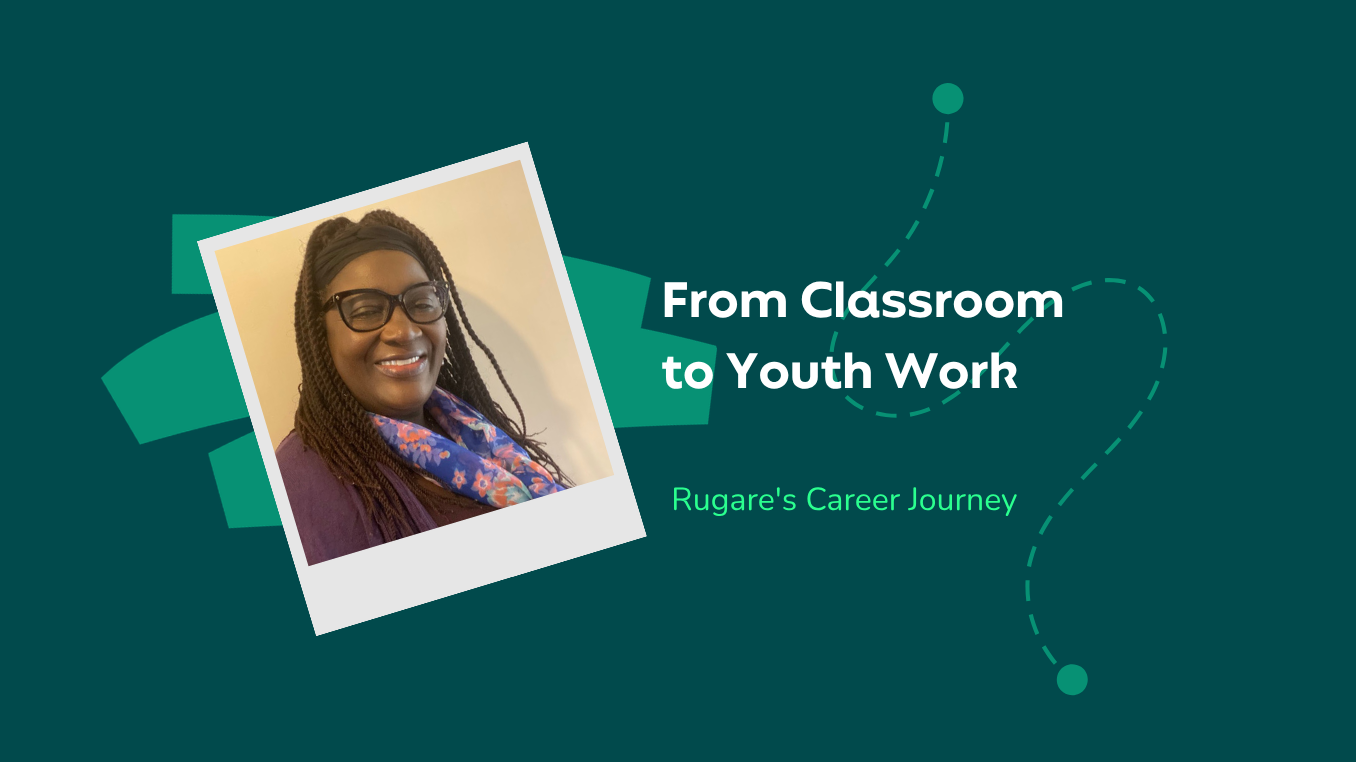
We sat down to chat with Dele, about his career change from teacher to Youth Support Worker.
A woman with red hair is smiling in front of a green background.
By Default Author November 23, 2021
We sat down with Disability Support Worker, Judy, to learn about her career change from Aged Care.
A close up of a woman 's face with a green background.
By Default Author July 21, 2021
We recently sat down with Edmen Disability Support Worker, Jannelle to get her first-hand insights into working in residential care. Read on to her discover what a typical day at work looks like and hear about the memorable moments in her career to date.
A man wearing sunglasses is standing in front of a green background.
By Default Author May 1, 2021
We sat down with Residential Youth Worker, Jack, to learn what led him to a career supporting young people and why it has been his best job yet. Find out what he has to say about working with at-risk youths and get his words of wisdom for anyone thinking about getting into the sector.
A man is talking on a video call on a laptop.
By Default Author April 1, 2021
We sat down with Edmen Disability Support Worker, Santos, to find out about his move from Indonesia to Australia and his journey into Disability Support work. Hear what a typical day at work looks like and how Edmen enables him to pursue his passions outside of work.
A laptop computer with a video of a man on the screen.
By Default Author March 1, 2021
​Tell us a bit about yourself and your role at Edmen My name is Gordon, I’m originally from Fiji and have been living in Australia since 2015. Before starting with Edmen, I used to work in Aged Care as an Assistant In Nursing (AIN).  I started in Edmen in December 2020 as a Disability Support Worker in New South Wales. What made you want to be a Disability Support Worker? I came from Aged Care and I was actually working in Newmarch House when the COVID outbreak occurred last May. It was obviously devastating for everyone involved and after 15 years in the sector, I said to myself “Okay, that’s it”. It was sort of a light blub moment for me where I thought I should do something else. I needed a change and I like challenges, so I thought I’d explore a new avenue. I’m also a man of faith so I applied to work with Edmen and everything worked out, so I think that was God’s will in my life. ​ What do you like most about working with Edmen? The flexibility – you provide your availability to Edmen and they work around you. For example, when I first started with Edmen I had a camping trip that I had booked far in advance. I didn’t want to inconvenience my new employer by taking time off so soon after starting. But then I found out employees submit their availabilities to Edmen so it wasn’t an issue. Edmen makes it easy to arrange your shifts around your lifestyle and commitments. Also, as part time casual worker, Edmen allows you to work other jobs around your schedule and shifts with Edmen which is great. I don’t have children, but I can see this being particularly handy for parents with young kids. How many hours on average a week do you work with Edmen? I work around 20 hours a week and my shortest shift is 5 hours. Every day is different. I work mostly day shifts, with the occasional sleepover. What is the most challenging part of your job? The nature of the work can be quite unpredictable. Supporting people with challenging behaviours requires a high level of empathy and requires you to always be on the ball. Do you have any advice for people thinking about moving from Aged Care to Disability Support? The pay is good! But also, I say give it go. I had a lot of questions on my first day when I first started as a Disability Support Worker asking myself ‘can I do this?’ but there comes a time where we need to step out of our comfort zone and try new things. I’m glad I did because I’m really enjoying working with Edmen. ​
Show More

Edmen Community Staffing Solutions Blog

By Vivian Yatsenko January 2, 2026
Happy New Year! We hope your holidays have been filled with sunshine, good company and well-deserved rest. While January is still very much summer here in Australia, it’s the perfect time to reflect on enjoying these long summer days safely , especially as many of our youth and disability workers head out into the community or support clients in a range of environments. Here are some essential summer safety reminders - whether you’re heading to the beach, organising outdoor activities, working in the heat or just making the most of summer fun. Stay Cool & Hydrated Warm weather makes being outdoors so inviting but high temperatures can be dangerous if we aren’t careful. Heat exhaustion and dehydration can affect anyone, but especially those working outdoors or with additional care needs. Tips to stay cool and healthy: Drink plenty of water throughout the day - don’t wait until you’re thirsty! Take regular breaks in the shade or indoors, especially between 11 am – 3 pm when temperatures peak. Wear light, loose-fitting clothing and a hat to help your body regulate heat. Use fans or air-conditioning if available or seek cool public spaces like libraries or community centres. Water Safety Matters Many Australians use summer to swim, fish, paddle or enjoy rivers and the beach - and while water brings joy, it also brings risk. \Water safety tips: Always swim between the flags at patrolled beaches and obey warnings. Never swim alone. Make sure someone else knows where you are. Avoid alcohol near water - it can impair judgement and reaction times. Know basic water rescue principles and CPR - it could save a life. Whether you’re supervising clients or spending time with family and friends, keeping a close eye on water safety is key to a fun and incident-free summer. Protect Your Skin Australia’s UV levels are among the highest in the world - and you don’t need to be at the beach to get sun damage. Sun protection essentials: Use SPF50+ broad-spectrum sunscreen and reapply every two hours. Slip on protective clothing, Slop on sunscreen, Slap on a hat, Seek shade, and Slide on sunglasses - the SunSmart 5 S’s. Keep sunscreen and shade/umbrellas handy when out in the community or at outdoor events. This helps protect everyone’s skin but it’s especially important for people with disability or those who may be more vulnerable to heat and UV effects. Plan Ahead & Look Out for Each Other Summer isn’t just sunshine and surf - it can bring heatwaves and intense weather. Preparing ahead can make all the difference: Check weather forecasts before scheduling outdoor work or activities. Build regular check-ins into your day - especially for clients who live alone or are at risk of heat-related illness. Make sure everyone has access to water, shade and a plan for cooling down if it gets too hot. Looking out for one another is something that connects deeply with our work in youth and disability support and there’s no better time to practise it than during summer’s hottest weeks. Have Fun - Just Be Safe! We want you and your networks to make the most of these long, bright days ahead. Whether it’s community events, outings with clients or teaching new skills under the sun, enjoying summer responsibly keeps everyone happier and healthier. Wishing you all a safe, fun and fulfilling start to 2026!
By Vivian Yatsenko December 18, 2025
Discover how youth workers can help children in out-of-home care navigate Christmas with empathy, empowering activities, family support and festive planning.
By Vivian Yatsenko December 11, 2025
What the New Social Media Rules Mean for Young People And How We Can Support Them Australia has introduced a new law that means children and young people under 16 can’t have social media accounts on big platforms like Instagram, Facebook, TikTok, YouTube, Snapchat, X and others. From 10 December 2025, these platforms must take steps to stop under-16s from having accounts or face big fines. The idea is to protect young people from some of the risks that can happen online, like cyberbullying, harmful content and addictive use. But this big change can also affect the wellbeing and social lives of the young people we work with. It’s important we understand what it means and how we can support them. What's Changing? ✔ Under-16s won’t be able to have accounts on many major social media apps. ✔ Platforms must try to check users’ ages and remove or block under-16 accounts. ✔ Young people can still view some public content without an account, but can’t post, comment or use the apps as before. ✔ There are no fines or legal penalties for young people or their families. The law is about the platforms doing the work. What Young People Might Feel This is a big shift, and many young people will feel frustrated, upset or anxious about it. Social media is how a lot of teens connect with their friends, communities, interests and support networks - especially for groups who might already feel isolated, such as rural youth or LGBTIQA+ young people. Some young people may: Feel cut off from friends or peer groups Be angry or in denial about the changes Try to find workarounds to stay connected Be confused about what the rules actually mean It’s normal for them to have strong feelings about this. What This Means for the Young People We Support As youth and disability workers, we might see: 📌 Changes in how young people communicate with each other 📌 Feelings of loss, loneliness or worry about missing out 📌 Increased pressure to stay connected in other ways 📌 Confusion about what they can and cannot do online Some young people will cope well, others might struggle more without their usual online spaces. What We Can Do to Help Here are some simple and practical ways we can support young people during this time: 1. Talk and Listen Give them space to talk about how they feel about the changes. Let them know their feelings are valid - this is a big shift in their world. 2. Help Them Understand the Rules Clarify that the change affects accounts, not the person. They don’t get into trouble for accessing content without an account, but they won’t be able to interact in the same way. Reinforce that there are no legal penalties for them or their families 3. Support Alternatives Help young people find other ways to connect and build positive socialisation, like: Face-to-face meetups Group activities (sport, clubs, classes) Extra support programs or services Safe online spaces that aren’t blocked (Messenger, WhatsApp- Check eSafety Site FAQs to discover more) 4. Watch for Emotional Impacts Some young people may feel sad, anxious, isolated or angry . Pay attention to these feelings and: Offer emotional support Encourage healthy routines (sleep, exercise, offline hobbies) Connect them with mental health support if needed 5. Reinforce Online Safety Use this time as an opportunity to help young people with practical tools and trusted online safety information. A great resource to share with them is the eSafety Commissioner’s “Young People” page: 🔗 eSafety – Young People - https://www.esafety.gov.au/young-people This page has useful information to help stay safe online, including topics young people care about like online behaviour, respectful communication, cyberbullying, privacy, and how to get help if something goes wrong online. You can encourage them to explore this page on their own or use it as a discussion tool when talking about online life — even without social media access. In Summary This new social media change is big news both nationally and for the young people in our communities. While the law is meant to protect young people, it may also bring big feelings and challenges that we need to support. The most important things we can do are: ❤️ Listen openly ❤️ Explain clearly ❤️ Help them find connection and support in safe ways Together, we can help the young people we work with feel heard, understood and supported through this time of change.
By Vivian Yatsenko December 2, 2025
Right now, the Australian Government is asking the community to share ideas about how to make Individual Disability Advocacy better. Advocacy means having someone who can help you speak up, understand your rights, and get the support you need.
From Warehousing to Youth Work
By Vivian Yatsenko September 29, 2025
Discover Ryschard's inspiring journey as a dedicated Residential Youth Worker with Edmen. A proud mum and wife, her nurturing spirit and passion for supporting young people create a lasting impact.
A photo of Support & Supervision Coordinator, Emma Paintr.
By Emma Painter July 29, 2025
Support and supervision aren’t just add-ons in youth work - they’re essential. Emma Painter, Edmen’s Support & Supervision Coordinator, shares why regular supervision matters, what it really looks like, and her top tips to help Youth Workers get the most out of every session.
By Lee Robinson June 11, 2025
By Lee Robinson, Edmen Recruiter & former Youth Worker Before I joined Edmen as a recruiter, I spent years as a Youth Worker. It was tough, rewarding and raw. I met a lot of young people who had already lived through more than most adults. But something that came up time and time again - especially with the young boys - was this warped idea of what it means to be a man. In Australia’s residential care homes, many young people are healing from experiences of violence, neglect and trauma. Among the complex factors shaping their world, one dangerous undercurrent continues to surface: toxic masculinity. This isn't just a buzzword. It's a destructive set of beliefs that normalises control, aggression, emotional suppression and dominance - particularly in how young men are taught to see themselves and others. Youth workers, especially male-identifying workers, are in a powerful position to break that cycle. The stats tell a story According to the 2024 Queensland Children in Care Census, over 12,500 children are currently in government care, with more than 2,200 in residential care - a figure that has nearly tripled since 2015. Alarmingly, the census revealed that: 11% of children in out-of-home care experienced sexual abuse 46% experienced physical abuse 88% experienced neglect These are young people who’ve had their trust broken over and over again. They’ve seen what happens when power gets used the wrong way - especially by men. And then they meet us. Youth Workers. What we say and do matters. Especially if you’re a bloke like me. Netflix's "Adolescence" and the digital influence dilemma The recent Netflix documentary series Adolescence holds a mirror up to the lives of young boys around the world and how their development is being shaped by social media, misogyny and a hunger for belonging. One recurring theme? The rise of online influencers like Andrew Tate, whose brand of hyper-masculinity glorifies aggression, control over women, and emotional detachment- presented as a blueprint for "success" and "alpha status." His videos have been viewed billions of times, often on platforms young people frequent daily. In residential care, where many young people are already struggling with identity, trauma, and belonging, the appeal of figures like Tate is real - and deeply concerning. That's why the presence of healthy, grounded, emotionally intelligent male role models has never been more critical. How Youth Workers can disrupt the cycle One thing I want others thinking about this work to know: you don’t need to have it all figured out. I certainly didn’t. But being there, being honest and being respectful - that’s what matters most. Here's how youth workers can challenge toxic masculinity and help young people - regardless of gender - redefine what it means to be strong, safe and respected: 1. Show that vulnerability is strength Toxic masculinity teaches young people that crying is weak or that talking about feelings is "soft." Youth workers who show up authentically- who admit when they're tired, frustrated, or emotional-plant the seed that all feelings are valid. "You don't have to 'man up' here. You just have to show up." 2. Model respectful relationships Many young people in care have never seen a respectful relationship- especially between men and women, or among men themselves. Youth workers who communicate calmly, resolve conflict without aggression and treat others with dignity model an entirely new way to relate. 3. Call it out - Gently and consistently When a young person repeats something rooted in misogyny, homophobia, or outdated gender roles, it's a chance to reflect, not shame. "Where did you learn that?" "How do you think that makes someone feel?" "What do we want to stand for in this house?" These small course-corrections create long-term change. 4. Proactively talk about respect, relationships and consent We can’t assume young people “just know” how to behave in a healthy relationship -especially if they’ve never seen one. That’s why we need to have the conversations before the crisis happens. Talk openly about respect, personal boundaries, consent, and emotional safety in relationships. As a former Youth Worker and someone who’s worked with The Rite Journey - a school-based program that supports teenagers in their shift into adulthood - I’ve seen firsthand how structured, honest dialogue can empower young people to be more self-aware, respectful and resilient. When we give them the language and tools, they’re better equipped to navigate real-world situations with confidence and care. 5. Be there, every day For some young people in residential care, their youth workers are the first safe and reliable adult male role models they've known. Just being present - calmly, consistently and respectfully - is a powerful form of healing. Looking ahead As Adolescence highlights, young people today are bombarded with toxic messages about identity and gender - often before they're old enough to understand the consequences. In combination with histories of abuse or neglect, this makes them vulnerable to adopting harmful beliefs that can affect their futures, relationships and wellbeing. But in every shift, every conversation, and every moment of connection, youth workers have the power to offer something radically different. One where strength means respect. Power means kindness. And being human means being real. So, if you’re thinking about becoming a Youth Worker - especially if you’re male - just know this: you’re needed. More than ever. And if you’re already doing this work- thank you. Keep showing up. Keep doing the quiet, powerful work of being the kind of man these young people can look up to, not fear. Sources: Queensland Children in Care Census 2024 Netflix Documentary Series: Adolescence (2024) News articles on Queensland's child safety system
By Nikkia Gillies February 24, 2025
What is PACE? PACE is more than just a framework; it’s a way of thinking, feeling, and interacting. It helps young people feel safe, understood, and supported. By integrating playfulness, acceptance, curiosity, and empathy into our interactions, we can build stronger, more meaningful connections that encourage trust and emotional growth. Playfulness: Keeping Things Light Laughter and joy play a critical role in building relationships. Approaching situations with a playful attitude —using lighthearted tones, storytelling, or humor—can diffuse tension and make difficult conversations feel safer. It’s not about making light of serious issues, but rather creating an environment where young people feel comfortable expressing themselves without fear of judgment. Example: A young person refuses to participate in an activity. Instead of pushing, a playful approach might be, “Alright, but I bet you can’t beat me at rock-paper-scissors first!” This simple moment of fun can shift the energy and open the door for engagement. Acceptance: Meeting Them Where They Are Acceptance means acknowledging a young person’s thoughts, feelings, and experiences without judgment. It doesn’t mean condoning harmful behaviours, but rather validating their emotions so they feel heard and understood. Example: If a young person is angry because of a house rule, rather than dismissing their feelings, you could say, “I can see that you’re really frustrated about this rule. It’s okay to feel that way. Let’s talk about why it’s in place and how we can work through it together.” Curiosity: Understanding the 'Why' Instead of reacting with frustration when a young person behaves in a challenging way, approach the situation with curiosity. This means genuinely seeking to understand why they’re acting a certain way, without assumption or blame. Example: If a young person lashes out, instead of saying, “Why would you do that?” in an accusatory tone, a curious response could be, “I wonder what’s making you feel this way right now?” This encourages reflection and fosters open dialogue.  Empathy: Walking Alongside Them Empathy is about being present and feeling with the young person. It’s letting them know that they’re not alone in their struggles and that their emotions matter. Example: When a young person is upset, rather than just saying, “You’ll be fine,” try, “I can see that you’re really upset. That must be really hard for you. I’m here to help you through it.” PACE in Practice Incorporating PACE into youth work takes practice. It requires slowing down, tuning in, and being mindful of your own emotions. You won’t always get it right, and that’s okay. What matters is the effort to create a safe, supportive space for young people to grow and heal. At Edmen, we encourage all our youth workers to adopt the PACE approach. By doing so, we’re not just providing care—we’re fostering trust, connection, and positive change in the lives of young people. When PACE Doesn't Work It’s important to note that when a young person is in fight, flight, or freeze mode, the PACE model won’t be effective in that moment. When they are in a heightened state of stress, they are no longer thinking rationally—they are trying to protect themselves. In these situations, it’s crucial to focus on de-escalation techniques to help them feel safe again before attempting to re-engage with PACE. This might include giving them space, using grounding techniques, or simply being a calm and reassuring presence until they are ready to reconnect. Interested in learning more about PACE? For more information, visit Dr Hughes' website - DDP Network
By Cassandra Burriel February 16, 2025
A case of speed and personalised care Sam*, a Youth Worker at Edmen, experienced a significant injury at work. Given the severity of the injury, Cassandra Burriel, from PeopleIN’s Recover at Work team, acted quickly to ensure Sam was receiving the immediate and appropriate medical and emotional support. “Given the psychological toll such incidents can take, we arranged early intervention counselling through our Employee Assistance Programme (EAP) to ensure Sam had the resources he needed within 24 hours. We recognised Sam's strong desire to return to work, but we also understood the importance of a gradual and supported reintegration. Initially, we kept him engaged with remote work, offering office-based duties or administrative tasks until he was medically cleared to resume his usual responsibilities.” This approach allowed Sam to stay connected to work while supporting both his physical recovery and emotional well-being. Thanks to the customised support from PeopleIN and Edmen, Sam made a smooth transition back to work without setbacks. How the PeopleIN Recover at Work Program Works PeopleIN's Recover at Work program focuses on 3 key principles: early intervention, tailored support, and gradual reintegration into the workplace. Here’s how it works: 1.Early Intervention Once an injury occurs and is reported, the Recover at Work team takes immediate action, coordinating medical appointments and providing psychological support. Cassandra emphasises that early intervention helps prevent the emotional toll from escalating, ensuring that the employee is well-supported from the moment the injury occurs. "The most important thing we do is provide psychological and physical support," she explains. "Even after a minor incident, we encourage workers to access the Employee Assistance Program (EAP) to ensure they have the mental health support they need, as everyone reacts to stress differently." 2. Tailored Support & Return-to-Work Plans After an injury, the Recover at Work team collaborates with the employee, medical professionals, and the host client to develop a tailored return-to-work plan. This plan may involve modified duties or a gradual increase in hours, focusing on the individual’s specific recovery needs. PeopleIN’s large network of resources, including GP services and physiotherapy consultations, plays a crucial role in speeding up recovery. Cassandra notes, "We understand the challenges our workers face, especially with treatment access. Our network allows workers to get the care they need immediately, speeding up the recovery process." 3. Reintegration into the workplace  The team works closely with Edmen’s host clients to ensure suitable duties are available for injured workers. This might involve light duties, office-based tasks, or, if necessary, remote work. Engaging employees during their recovery is essential in preventing feelings of isolation and maintaining their sense of purpose. “We always check with the client to see if they can provide suitable on-site duties. If on-site work isn’t an option, we explore office-based duties—either at the client's office or, if they’re local to us, at one of the PeopleIN offices.” explains Cassandra. Benefits of the PeopleIN Recover at Work Program for Edmen’s clients The Recover at Work program offers clear benefits for Edmen’s community service clients: Maintain a consistent workforce : Keeps employees engaged and connected, reducing disconnection and improving the transition back to work. Improved return to work timeframes : With a 90% RTW rate and employees returning 2 weeks sooner than the industry average, clients experience quicker workforce recovery. Reduce exposure to common law : Minimises legal risks by ensuring compliance and managing the return-to-work process effectively. Increased productivity and retention : Enhances workforce stability by reducing absenteeism, boosting productivity, and increasing employee satisfaction and retention. For Edmen, this means a safer, smoother return-to-work process and stronger relationships with both employees and clients. To learn more about PeopleIN’s diversified workforce solutions, contact us today.
A woman is sitting on the floor using a cell phone.
By Nikkia Gillies November 25, 2024
For children and young people in out-of-home care, Christmas can be a particularly challenging time. It’s often a season that highlights their separation from family, triggering feelings of anxiety and uncertainty. Questions like Will I see my family? Does Santa know where I live? Will I get presents? may weigh heavily on their minds. Even if their family environment wasn’t ideal, many may still hold onto cherished Christmas memories—gatherings, gift exchanges, and moments of joy. As Youth Workers, it’s important to help young people navigate this time of year with sensitivity and support. Here’s how. 1. Listen to Their Needs Understanding their feelings and expectations is key. Take the time to ask:  What are your favourite Christmas memories with your family? What would you like Christmas to look like this year? Is there anyone special you’d like to see? What activities should we plan together? How does Christmas make you feel? 2. Communicate and Advocate Support family connections where possible. If safe and appropriate, advocate for the young person to spend time with their family during Christmas. Involve the house. Plan together—what meals to cook, decorations to use, or even whether to invite other houses or leadership to join in. Be prepared. Share plans clearly with the young person and ensure everything is organised ahead of time. 3. Create New Traditions Share your own traditions and see if they’d like to incorporate them, like a special recipe or a game you love. Make the day special with thoughtful effort, creating moments they’ll remember. Encourage the spirit of giving. Help them make or select gifts for family members or siblings. 4. What to Avoid Avoid ignoring Christmas altogether. Not talking about it can heighten feelings of exclusion or confusion. Don’t exclude them from decisions. It’s their Christmas—give them a say in the planning. Don’t force family visits if they aren’t comfortable. Steer clear of rushed plans. Last-minute preparation or minimal effort can make the day feel less special. Choose gifts thoughtfully. Avoid impersonal options like gift cards unless absolutely necessary. Keep presents safe until Christmas Day unless they’ll be celebrating with family on the day. Avoid personal gifts. Stick to group or house presents provided by the organisation to maintain professional boundaries. 5. Understand Potential Behaviours Be prepared for behaviours that might arise: Absconding: Some young people may leave to find their own sense of “family” on Christmas Day. Increased curiosity about presents: Store gifts out of sight until Christmas Eve to reduce temptation. Undecided feelings about family time: They may struggle with whether they want to spend time with family. Heightened emotions: The lead-up to Christmas can feel unpredictable and overwhelming. 6. Plan Festive Activities Engage them in fun, festive experiences to build excitement and connection: Visit Santa for photos. Explore Christmas lights together. Bake cookies or build gingerbread houses. Make cards or DIY presents. Set up an Elf on the Shelf or countdown calendar. Decorate the Christmas tree. Attend local markets, events, or community parties. Organise group activities across houses to foster community spirit. 7. Don’t Forget Your Wellbeing As a Youth Worker, Christmas can be emotionally and physically demanding. Keep these tips in mind: Set boundaries: You don’t have to spend time with family members who make you uncomfortable. Stay within your means: Avoid overspending—Christmas doesn’t have to break the bank. Seek support if needed: Don’t hesitate to reach out to your network or professional resources for help. By listening, planning, and creating positive traditions, we can help young people in out-of-home care feel valued and supported during the festive season. Let’s make this Christmas one to remember—for all the right reasons.
More Posts